For families affected by muscular dystrophy, getting a diagnosis is only the beginning. Access to specialist care, reliable information and ongoing support can make a meaningful difference in how they navigate life with the condition.
When a child begins experiencing unexplained muscle weakness or difficulties with movement, families may find themselves searching for answers. They may visit different healthcare facilities, seek multiple medical opinions and struggle to understand what the symptoms mean for their child’s future.
For people living with muscular dystrophy and their caregivers, the journey can involve more than identifying a medical condition. It also involves understanding available care options, managing changing needs and finding professionals who can provide appropriate guidance.
This is why specialist services matter.
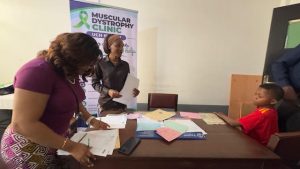
The development of a dedicated Muscular Dystrophy Clinic at the University College Hospital (UCH), Ibadan, offers an opportunity to consider a broader question: how can specialist care improve the experience of people living with muscular dystrophy in Nigeria?
1. The Importance of Recognising the Signs
Muscular dystrophy refers to a group of genetic conditions that cause progressive muscle weakness. Different types affect individuals differently, and symptoms can vary in their onset and progression.
Some children may experience difficulties with walking, running, climbing stairs or getting up from the floor. Other symptoms depend on the particular condition.
Recognising concerning symptoms and seeking appropriate medical assessment are important steps towards understanding what is happening.
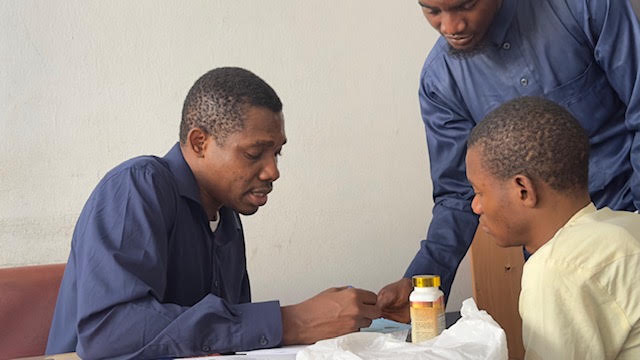
A dedicated neuromuscular service can provide a focused setting for specialist evaluation. Earlier assessment does not guarantee a particular outcome, but it can help families obtain information, understand their options and plan for appropriate care.
2. Why Specialist Care Must Go Beyond the Initial Diagnosis
Receiving a diagnosis can answer important questions, but it may also introduce new concerns.
Families may want to understand how the condition could affect mobility, what medical monitoring may be appropriate, and which healthcare professionals can help address their needs.
These questions cannot always be answered in a single consultation.
Depending on the individual’s condition, care may involve neurology, physiotherapy, nutritional guidance, cardiac or respiratory assessment, and other specialist services where clinically appropriate.
A coordinated approach can help patients and families navigate these different needs and understand the support available to them.
The objective is not simply to identify a condition, but to help people access appropriate care throughout their journey.
3. Families and Caregivers Need Reliable Information
Living with muscular dystrophy can raise difficult questions for patients and their families.
Caregivers may need guidance on daily activities, mobility, medical appointments, school participation and changes in care needs. They may also encounter conflicting information or claims about treatments.
Access to qualified healthcare professionals and trustworthy information can help families make more informed decisions.
Caregiver education is therefore an important part of supporting people living with muscular dystrophy. Families should be encouraged to discuss their concerns with qualified professionals and seek guidance tailored to the individual’s condition.
Reliable information can also help challenge misconceptions and reduce the stigma that people with disabilities may experience.
4. A Multidisciplinary Approach Recognises the Whole Person
Muscular dystrophy affects more than muscle strength alone. Depending on the diagnosis, an individual’s needs may extend to mobility, physical function, nutrition, heart health, breathing, emotional wellbeing and social participation.
This makes collaboration between healthcare professionals particularly important.
A multidisciplinary approach can bring together relevant expertise to address different aspects of an individual’s care. Physiotherapy, for example, may help support mobility and physical function, while other specialists may be needed to monitor specific complications associated with certain forms of muscular dystrophy.
The appropriate care plan will depend on the individual’s diagnosis, symptoms and circumstances.
Equally important is recognising the person behind the diagnosis. People living with muscular dystrophy deserve dignity, inclusion and opportunities to participate meaningfully in family life, education, work and their communities.
5. Building Stronger Support Systems in Nigeria
Improving muscular dystrophy care requires more than the efforts of individual clinicians.
Healthcare institutions, advocacy organisations, researchers, caregivers and policymakers all have roles to play in strengthening awareness and support.
Specialist services can contribute to professional learning and collaboration. Patient registries and research initiatives can also help build a better understanding of the affected population and the challenges families experience.
Public awareness is equally important. When communities have a better understanding of muscular dystrophy, they are better positioned to challenge misconceptions and support inclusion.
These efforts require sustained commitment. A dedicated clinic is an important step, but continued collaboration, appropriate resources and accessible services remain essential.
Learning from Specialist Experience
In Inside Nigeria’s First Dedicated Muscular Dystrophy Clinic, Dr Joy Alejo discusses the specialist clinic at UCH, Ibadan, and its significance for muscular dystrophy care.
The interview provides an opportunity to learn more about the clinical work and the importance of strengthening specialist services for people affected by neuromuscular conditions.
Watch the interview below.
Moving from Awareness to Meaningful Support
Awareness is an essential starting point, but it must be accompanied by access to appropriate healthcare, reliable information and support for affected individuals and families.
For people living with muscular dystrophy, the ability to access specialist assessment and understand their care options can be an important part of navigating the condition.
The development of dedicated services at UCH, Ibadan, highlights the importance of continuing to strengthen specialist care in Nigeria.
At the Dotun Tejuoso Muscular Dystrophy Foundation, efforts to improve awareness, promote understanding and support people affected by muscular dystrophy remain central to the wider goal of building a more informed and inclusive society.
Better understanding creates opportunities for better support. Every step towards accessible specialist care matters.
For medical concerns, consult a qualified healthcare professional. Information in this article is educational and does not replace individual medical advice.